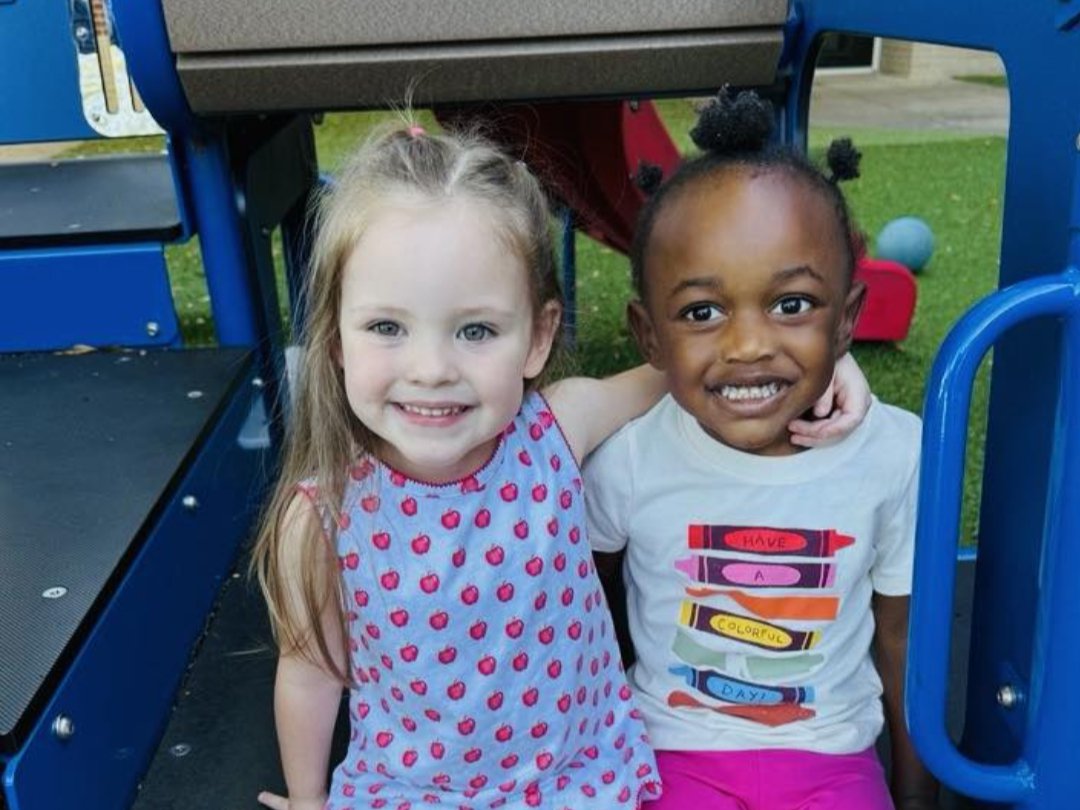
If your child has a hard time making friends, taking turns, joining play, or working in groups, you’re not alone, and your concern is valid. For those with intellectual and developmental disabilities (IDD), social skills for students aren’t “extra.” They’re essential life skills that support learning, independence, and a sense of belonging at school and in the community.
At Easterseals Arkansas, we see every day how explicit, compassionate social skills instruction can lead to meaningful progress. Small steps can grow into greater confidence, stronger relationships, and more participation in everyday routines.
Key Takeaways
- Children with disabilities benefit most from learning social skills for students, such as how to communicate their needs, manage their feelings, and work well with others in a group.
- The most effective strategies include using the same routines every day, practicing with short scripts, and using pictures or visuals to show what to do next.
- Conflict resolution: teach “I” statements, calm-down steps, and repair strategies (apologizing, trying again, asking for help).
- Support for shy or anxious students includes structured group games, group “job” roles, and specific praise that names the skill.
- At home, it’s important to model social skills for students with respectful interaction, turn-taking at home, and building community practice into daily life.
Understanding Helpful Social Skills for Students in School
These ten skills support classroom learning, peer relationships, and self-advocacy, especially when taught in small steps with frequent repetition and encouragement.
| Social Skill | What It Looks Like |
|---|---|
| Communication | “I need help”; “My turn”; “Can I join?” |
| Empathy | Noticing feels & responding kindly, even with simple words like “are you okay?” |
| Teamwork | Sharing materials, taking a role, finishing a task together |
| Conflict Resolution | Using words, asking an adult, offering a redo |
| Manners | “Please,” “thank you,” “excuse me,” and respectful personal space |
| Respect | Safe hands and feet, kind words, honoring differences |
| Self-control | Following classroom rules, stopping when asked, coping with frustration |
| Self-advocacy | “Stop,” “I don’t like that,” “I need a break” |
| Patience | Waiting for turns, handling delays, practicing “not yet” |
| Positivity | Trying again, accepting feedback, celebrating others |
If you’re a parent or caregiver, you know that these social skills for students with IDD can feel hard (or impossible). Remember: it’s about consistent progress with support, not perfection. Many learners need ongoing practice across settings (classroom, home, community) to generalize skills.
Which Social Skills for Students with Intellectual & Developmental Disabilities Are Most Important?
For many students, school success is closely connected to skills like communication, emotional regulation, and interpersonal relationships. However, these are even more important for students with an intellectual or developmental disability.
Start by focusing on:
- Communication: expressing wants and needs, listening, using AAC or visual supports when needed
- Emotional regulation: recognizing feelings, using calming strategies, coping with “no.”
- Relationship skills: greetings, turn-taking, shared play, conversation basics
- Problem-solving: asking for help, handling conflict, coping with unexpected changes
When these skills are taught intentionally and practiced often, students are better able to participate in instruction, join peer activities, and feel safe within the classroom community.
How Do Social Skills Improve Access to Learning for Students?
Social skills act like “learning tools” that help students stay connected, communicate needs, and keep participating when school feels hard.
When a student can ask for help, wait and take turns, and self-advocate, they’re more likely to remain engaged, succeed in group instruction, and prevent challenges from escalating. Social skills for students build independence, confidence, and inclusion over time.
At Easterseals Arkansas, we support these kinds of real-life skills through inclusive education and therapy services that help children thrive in the classroom and the community.
Why Students May Need Extra Support for Social Skills
Social development starts early, but for students with a disability, skill development may require a bit more support. If your child is having a hard time growing their social skills, the way they are being explained may need to change.
For example, a student with IDD may need more explicit instruction: “First, we look, then we say hi.” Or, they may take rules so seriously that they are afraid to ask for help or break routine.
In developmental and special needs schools, like Easterseals Arkansas’s Little Rock Developmental Preschool, students can improve their social skills while being around other kids like them. Support may look like more practice opportunities or support tools, like visuals, role cards, and scripts.
Additionally, students typically have more time to focus on one skill specific to their needs, rather than generalizing it.
- More explicit instruction (“First we look, then we say hi.”)
- More practice opportunities (daily, not occasionally)
- More support tools (visuals, role cards, timers, scripts)
- More time to generalize a skill from one setting to another
Parents and caregivers, remember: it’s not a setback, it’s a roadmap. With the right support, students can keep building meaningful connections and participation.
How Can Teachers Help Support Social Skills for Students with IDD?
Predictable structure helps students with IDD feel safe and confident because they know what to expect and what comes next. Repeated practice builds real independence by turning skills into routines that “stick” across different settings. Also, supportive feedback can reinforce progress in a respectful, motivating way.
The goal is to help learners stay engaged, correct mistakes without shame, and keep moving forward.
What Classroom Routines Build Respectful Conversation?
Choice-based greetings (verbal, gesture, AAC, or picture cards), simple “talk rules” shown with visuals, and daily feelings check-ins create low-pressure practice with turn-taking, listening, and naming emotions.
Repeatable routines make it easier for every child to join in socially, especially when participation is flexible.
How Can Teachers Support and Grow Teamwork In Their Classroom?
Teamwork grows when expectations are clear and shared. Assigned group roles, partner scripts that teach polite requesting/responding, and short cooperative games with a clear finish line help students experience success quickly.
Remember, building social skills for students with IDD is crucial to their development; be patient.
Why Is It Important to Model Social Skills For Your Students?
Children copy what they consistently see. When adults use calm voices, respectful boundaries, and repair-focused phrases like “Let’s try again together,” students learn how to communicate kindly, even when they’re frustrated.
They will carry those skills into daily life, even away from school.
What Tools Can Help Build Social Skills for Students with Disabilities?
Many learners benefit from inclusive support, such as:
| Support | What It Looks Like |
|---|---|
| Visual supports | First/then boards, expected/unexpected behavior visuals |
| Scripts for common moments and conversations | Greeting in the morning, joining play, asking for help |
| Buddy systems with clear guidance | The goal is support, not babysitting |
| Short, frequent practice in real-life routines | Arrival, lunch line, centers, recess, etc. |
Easterseals Arkansas programs are built around individualized support and skill-building that can reinforce these goals across ages and needs.
How Can Students Learn How To Handle Conflict?
For students with IDD, conflict resolution is often best taught as a simple, repeatable routine.
A practical 3-step “stop, calm, solve” routine
- Stop (hands down, take space)
- Calm (three breaths, count to five, squeeze a fidget, ask for a break)
- Solve (use a script or choices)
What Short Phrases Can Students Use to Stay Calm?
- “I don’t like that.”
- “Stop, please.”
- “My turn next.”
- “Can we trade?”
- “Help, please.”
Why Resolution is an Important Social Skill for Students
Learning how to fix things after a mistake is just as important as following the rules. Teaching students to say things like, “I’m sorry,” “Are you okay?” or “Can I please try again?” helps them keep their friendships strong and stay connected to their peers.
Need more support? Easterseals Arkansas offers specialized programs to help children of all ages thrive
How Can Teachers Help Shy or Anxious Students Build Social Skills?
Shy students often need a clear plan to start talking or playing with others. Teachers can help grow social skills for students by using these simple steps:
- Use daily routines: Start with morning meetings where students can participate by just pointing or nodding if they aren't ready to speak yet.
- Assign "social jobs": Give students a specific job, like being a "greeter" or "materials helper," so they have a natural reason to talk to classmates.
- Give specific praise: When you see a student try, say something like, "You looked at your friend and said 'hi.’ That was very brave!"
How Can Families Help Grow Social Skills for Students at Home?
Families can help their children practice social skills for students without making it feel like extra schoolwork. You can support your child by trying these ideas:
- Be a role model: Show your child how to stay calm by saying things like, "I am feeling frustrated, so I am going to take a deep breath".
- Play games together: Even short games that involve taking turns help build important social habits.
- Practice in the community: Have your child practice saying "hello" to a neighbor or ordering a snack at a store.
- Use the same words: Use the same short phrases at home that they use at school, such as "Help, please" or "I need a break".
Consistency across environments helps students with IDD generalize skills more quickly.
Building Social Skills for Students at Easterseals
If you want to help your child grow, Easterseals Arkansas has wonderful programs that teach social skills for students in a fun and safe way.
You can visit our Little Rock Developmental Preschool or our Stuttgart Developmental Preschool to help younger children get ready for kindergarten.
For older students, the Easterseals Academy offers small classes that focus on both schoolwork and making friends.
Contact us today to see how our team can help your child build the confidence they need to succeed in school and life.