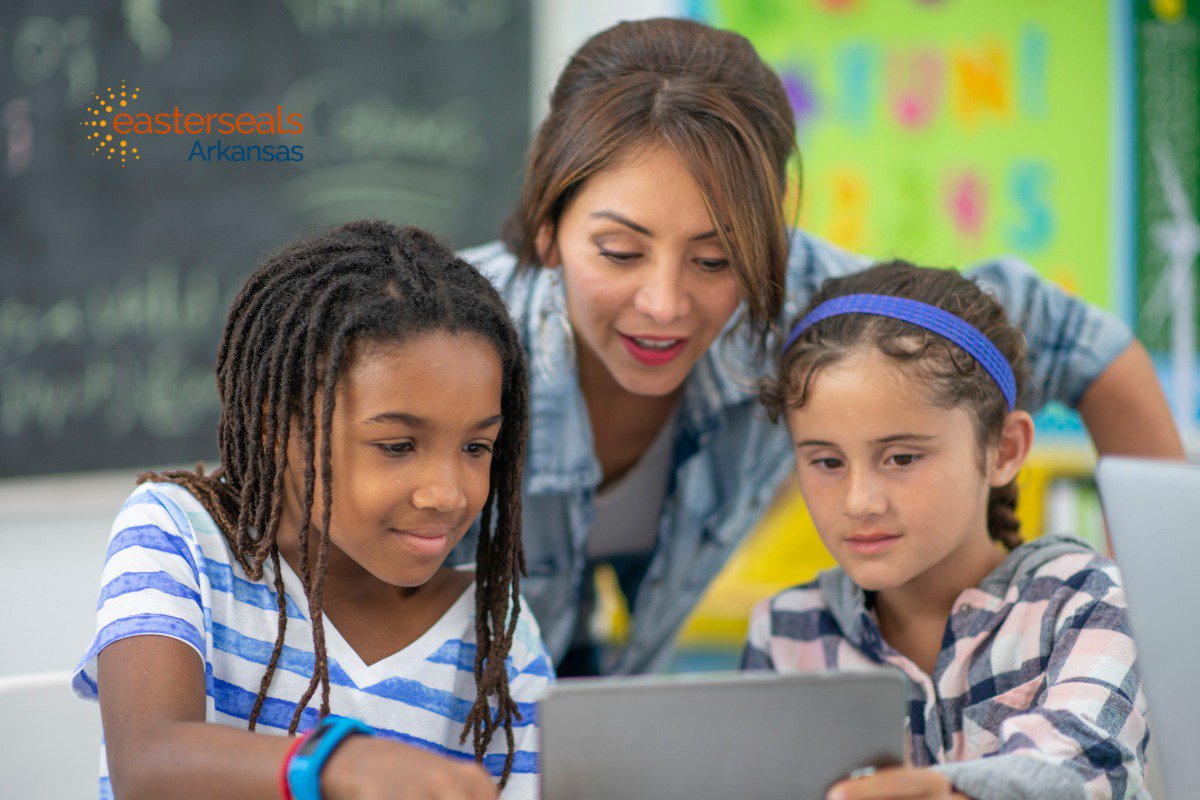
Watching your child struggle with tasks that seem effortless for other students can break your heart, but understanding the benefits of assistive technology offers genuine hope for positive change. These specialized tools give students with disabilities practical ways to learn, communicate, and participate fully in classroom activities alongside their peers. How exactly do these tools make such a significant difference? What specific benefits can your child experience? How do you know which supports will truly help rather than create additional frustration?
Key Takeaways:
- The benefits of assistive technology include improved curriculum access, increased independence, enhanced communication abilities, and fuller participation in inclusive educational settings for students with disabilities.
- Common tools such as text-to-speech software, speech-to-text applications, visual timers, adaptive keyboards, screen readers, and AAC devices address diverse learning needs across disability categories.
- Students with dyslexia, ADHD, sensory impairments, and physical challenges experience significant academic and social gains when provided appropriate assistive technology supports.
- Visual timers, reminder apps, and digital organizational tools help students stay organized, manage time effectively, and complete assignments independently.
- Using assistive technology builds real-world skills, self-confidence, and student control over their own learning processes, creating foundations for lifelong success.
- IEPs should include assistive technology in goal planning with clear methods for tracking effectiveness and adjusting supports based on student progress.
Educational Benefits of Assistive Technology for Students with Disabilities
The benefits of assistive technology extend far beyond simple convenience. These assistive tools fundamentally change how students with disabilities access education, allowing them to demonstrate knowledge and skills that might otherwise remain hidden. Assistive technology offers students the support they need to learn in ways that align with how they think, see, hear, or move, making complex academic tasks more manageable with less direct adult assistance.
In diverse classrooms, students learn through different pathways. Some struggle with hearing or vision, others with reading fluency or sustained attention. Tools such as speech-to-text software, screen readers, and assistive listening systems let students work in ways most effective for their individual learning profiles. This creates more inclusive educational settings where all students have genuine opportunities to succeed.
At The Academy at Easterseals Arkansas, educators witness daily how assistive technology levels the playing field. When students can access the same curriculum as their peers using tools matched to their needs, true inclusion becomes possible. A student using text-to-speech reads the same literature as classmates, while a child with a communication device participates in the same science discussions.
Supporting Independence and Classroom Engagement
Among the most valuable benefits of assistive technology is increased student independence. These tools enable students to complete tasks using supports matched to their unique needs rather than requiring constant adult assistance. A student who struggles with reading uses text-to-speech to access material independently. One with difficulty writing employs speech-to-text software to transform spoken language into written text without needing someone to transcribe for them.
Tools like talking calculators, digital planners, and reading aids help students manage schoolwork autonomously. This independence gives teachers and parents more time to work with multiple students while simultaneously building student confidence and ownership over their learning. At the Little Rock Developmental Preschool, even young children begin developing these independence skills with age-appropriate assistive technology.
| Independence Benefit | Assistive Technology Solution | Student Impact |
|---|---|---|
| Self-directed reading | Text-to-speech, audiobooks | Students access grade-level content without waiting for adult readers |
| Independent writing | Speech-to-text, word prediction | Students express ideas without physical writing barriers |
| Time management | Visual timers, reminder apps | Students track time and transitions without constant adult prompts |
| Task completion | Digital planners, task apps | Students organize multi-step assignments independently |
Supporting Communication and Learning Challenges
Among the most profound benefits of assistive technology are communication supports for students who cannot speak or have significantly limited speech. Speech-generating devices (SGDs) allow students to select or type words that the device then vocalizes. Augmentative and Alternative Communication (AAC) tools include both high-tech tablet-based apps and low-tech paper communication boards. By pointing to or tapping icons, students can share ideas and join activities they might otherwise observe silently.
The Academy's speech-language pathologists work closely with students and families to identify AAC systems that match each child's cognitive abilities and physical capabilities, ensuring communication access improves steadily over time. Some students struggle to hear clearly or understand sounds even when hearing tests show normal results. Captions display spoken words in text form during lessons and video content. FM systems send the teacher's voice directly to hearing aids or personal speakers, reducing background noise interference.
Speech-to-text technology converts spoken language into on-screen text, benefiting students who face challenges like poor fine motor control, slow typing speed, or significant spelling difficulties. Software, including Dragon NaturallySpeaking and Google Docs voice typing, uses speech recognition to create text quickly and accurately. Students stay focused on content and ideas rather than becoming frustrated with spelling and mechanics.
Supporting Progress Through IEPs and Specific Disabilities
Text-to-speech software, audiobooks, visual timers, and graphic organizers represent some of the most frequently included assistive technologies in IEP accommodations. Each support is carefully chosen to match the student's individual learning goals and needs. The Children's Rehabilitation Center helps IEP teams make informed decisions about which tools offer the greatest potential benefits for each student.
When teachers maintain records of assistive technology use and resulting outcomes, growth becomes easier to document and share. These records support solid decision-making about continuing, modifying, or changing assistive technology supports to better help students reach their goals.
The benefits of assistive technology multiply when teams communicate effectively about tool selection and implementation across settings. If a child uses a speech app in the classroom, they should also use it at home so the technology becomes integrated into daily communication. Therapists contribute expertise about appropriate tools, teachers implement supports during instruction, and families report how things work outside school. Easterseals Arkansas provides family training and ongoing consultation to ensure assistive technology benefits extend beyond the classroom.
Real-Life Impact and Overcoming Barriers
Students with motor difficulties use keyboards featuring large, color-coded keys or specialized grips. For students unable to use traditional mice, switch access or eye-tracking technology provides computer control. Screen readers convert digital materials into speech or braille output, helping students access websites, documents, and digital textbooks.
Cost and limited funding represent primary obstacles preventing students from accessing needed assistive technology. Schools can improve access by building strong collaborative teams that include teachers, therapists, and technology specialists working together to select appropriate tools and provide comprehensive training. State programs and grants help schools cover costs. Family input proves essential; when parents understand how tools work, they extend learning opportunities at home.
Supporting Lifelong Learning
Among the most important benefits of assistive technology is preparation for adult life. Tools used in school, including planners, reading supports, communication devices, and mobility aids, prepare students to navigate home life, employment, and community participation. Students who use text-to-speech for schoolwork may apply that same technology to write résumés or keep up with workplace demands. The A.R.T. program at the Center for Training and Wellness helps young adults develop these practical skills while continuing to use assistive technology that supported them during their school years.
Frequently Asked Questions About the Benefits of Assistive Technology
What are the most significant benefits of assistive technology for students?
The benefits of assistive technology include improved access to grade-level curriculum, increased independence in completing academic tasks, enhanced communication abilities, better organization and time management, and fuller participation in inclusive classroom settings. Students using appropriate assistive technology often show improved grades, stronger self-confidence, and greater willingness to attempt challenging tasks. Beyond academics, assistive technology helps students develop real-world skills they'll use throughout life.
How quickly will my child see benefits from assistive technology?
The timeline for seeing benefits varies depending on the tool, the student's needs, and implementation quality. Some supports like visual timers or text-to-speech show immediate impact, with students demonstrating better focus or comprehension during initial use. Other tools require a learning period before students become proficient enough to experience full benefits. Most students show measurable progress within weeks of consistent assistive technology use when tools are well-matched to their needs.
How do I know if assistive technology is really helping my child?
Monitor several indicators to assess whether assistive technology is providing meaningful benefits. Look for improved grades or assessment scores in areas the tool targets. Notice whether your child completes assignments more independently or with less frustration. Pay attention to changes in attitude toward school and willingness to attempt challenging tasks. Request regular progress monitoring data from your child's team and ask teachers to track assistive technology use and document resulting outcomes.
Unlocking Potential Through Assistive Technology at Easterseals Arkansas
The benefits of assistive technology extend far beyond making school tasks easier. These tools fundamentally change what students with disabilities can accomplish, opening doors to learning, communication, and independence that might otherwise remain closed. When students receive appropriate assistive technology supports along with comprehensive training and ongoing encouragement, they develop skills and confidence that serve them throughout life.
At Easterseals Arkansas, we witness the transformative power of assistive technology daily across our programs. The Little Rock Developmental Preschool introduces young children to age-appropriate supports, building early skills that create foundations for school success. The Academy integrates assistive technology throughout academic instruction, demonstrating how these tools enable students with complex needs to access rigorous curriculum and participate meaningfully alongside peers.
The Children's Rehabilitation Center provides specialized assessments, helping families and schools identify assistive technology solutions offering the greatest potential benefits for individual students. Our therapists provide hands-on training for students, families, and educators, ensuring everyone understands how to maximize the benefits assistive technology provides.
Your child deserves every opportunity to demonstrate their abilities and develop confidence in their learning. Contact us to learn how our comprehensive programs support children and families in accessing and benefiting from assistive technology. Explore our services, connect with our team, and discover how the right tools can unlock your child's potential. Together, we can ensure every child experiences the life-changing benefits of assistive technology matched to their unique needs and dreams.